



 Home /
 Best Pharmaceutical Ball Valves Standards and Materials
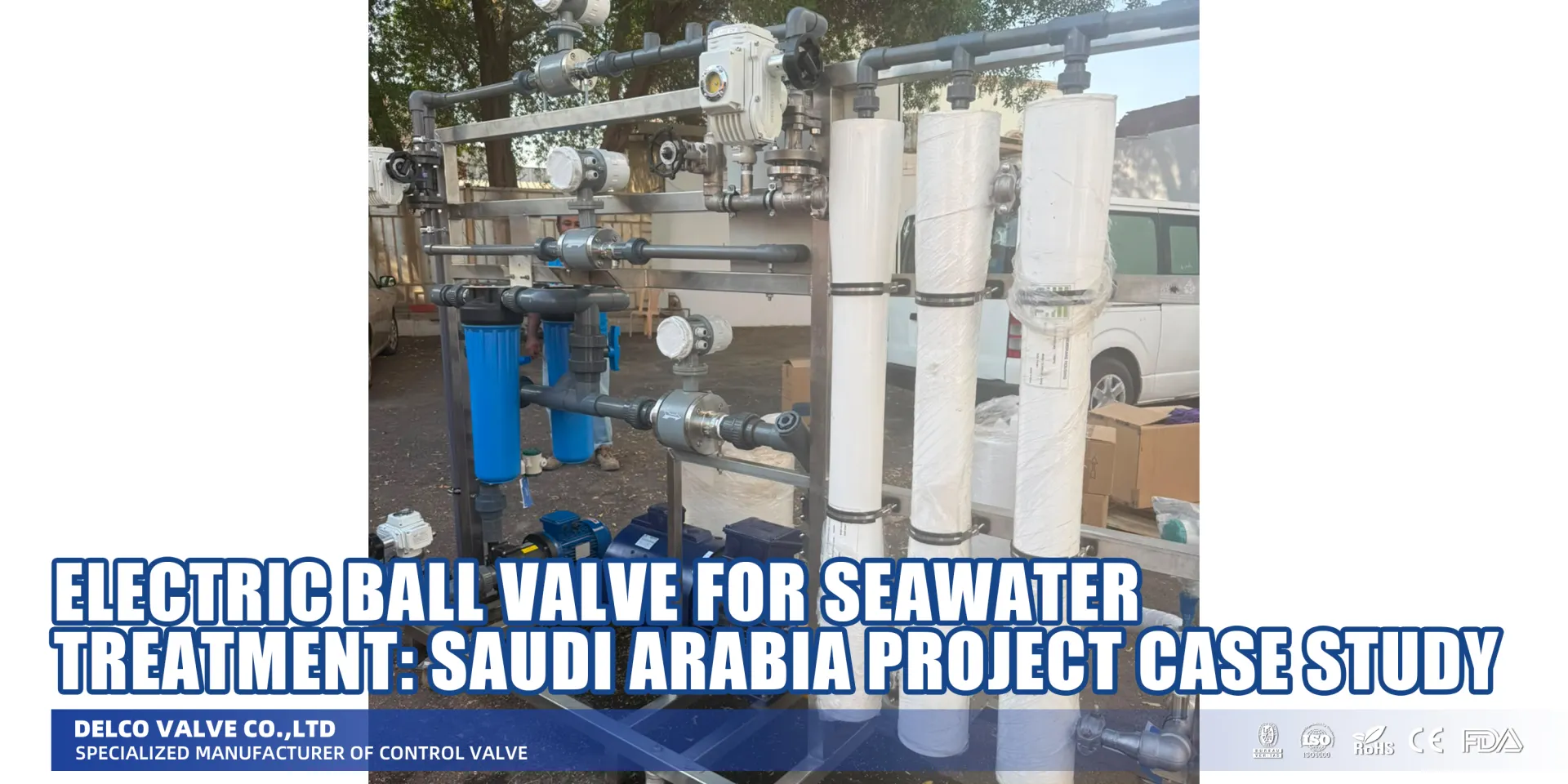
Electric Ball Valve for Seawater Treatment: Saudi Arabia Project Case Study
Aug 26, 2026
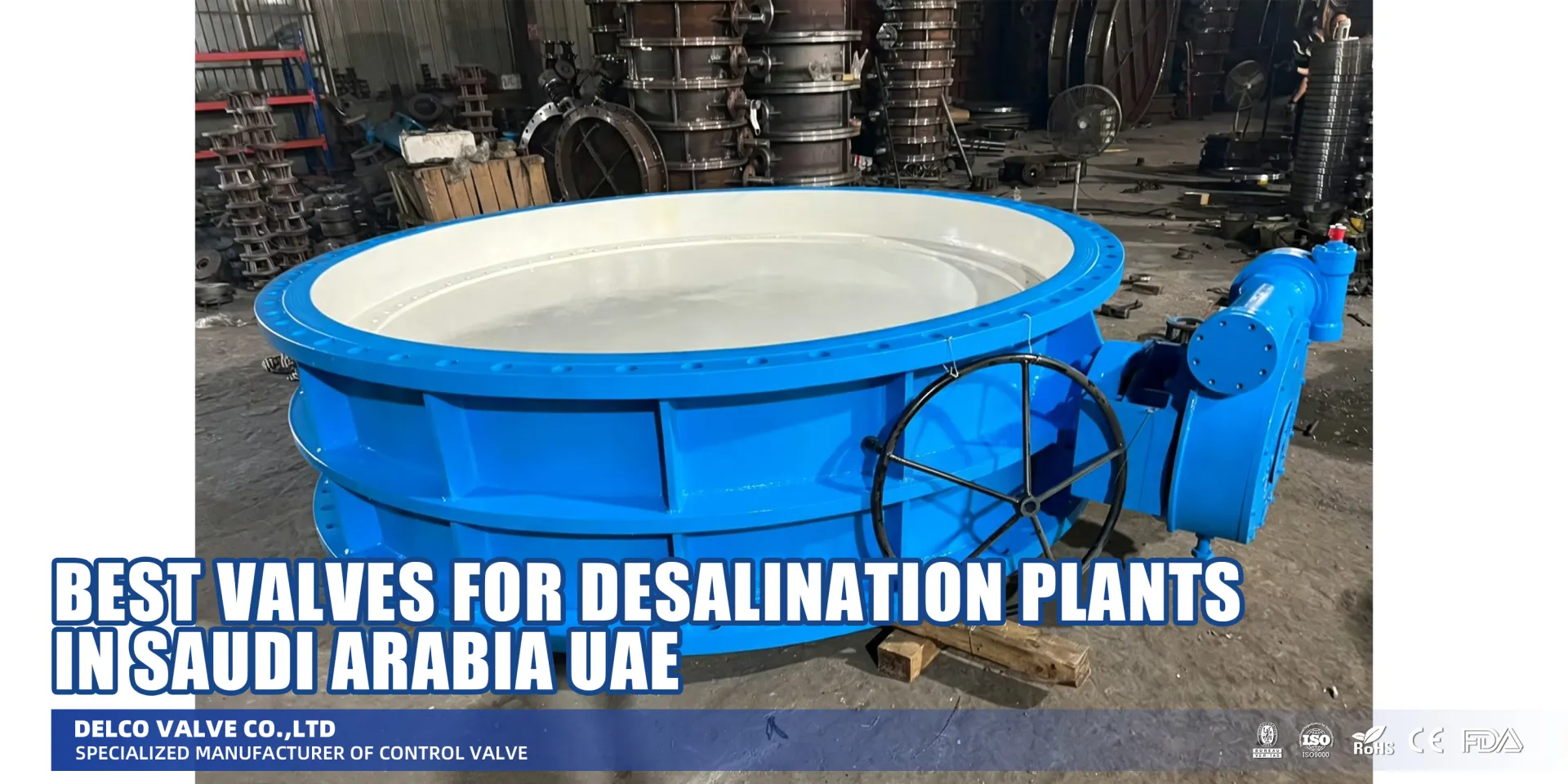
Best Valves for Desalination Plants in Saudi Arabia and UAE
Jul 30, 2026
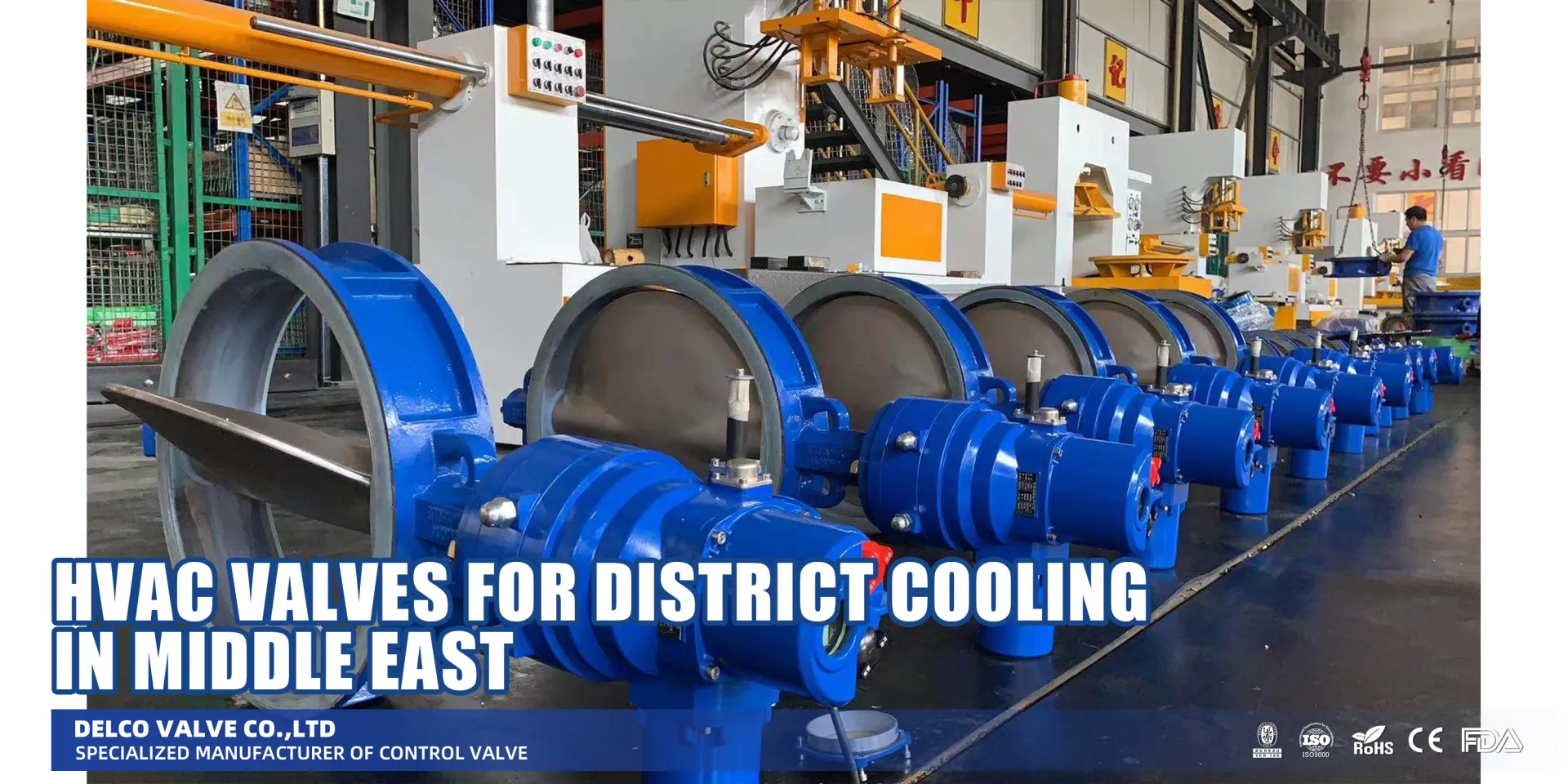
HVAC Valves for District Cooling Systems in Middle East: Selection Guide
Jul 27, 2026
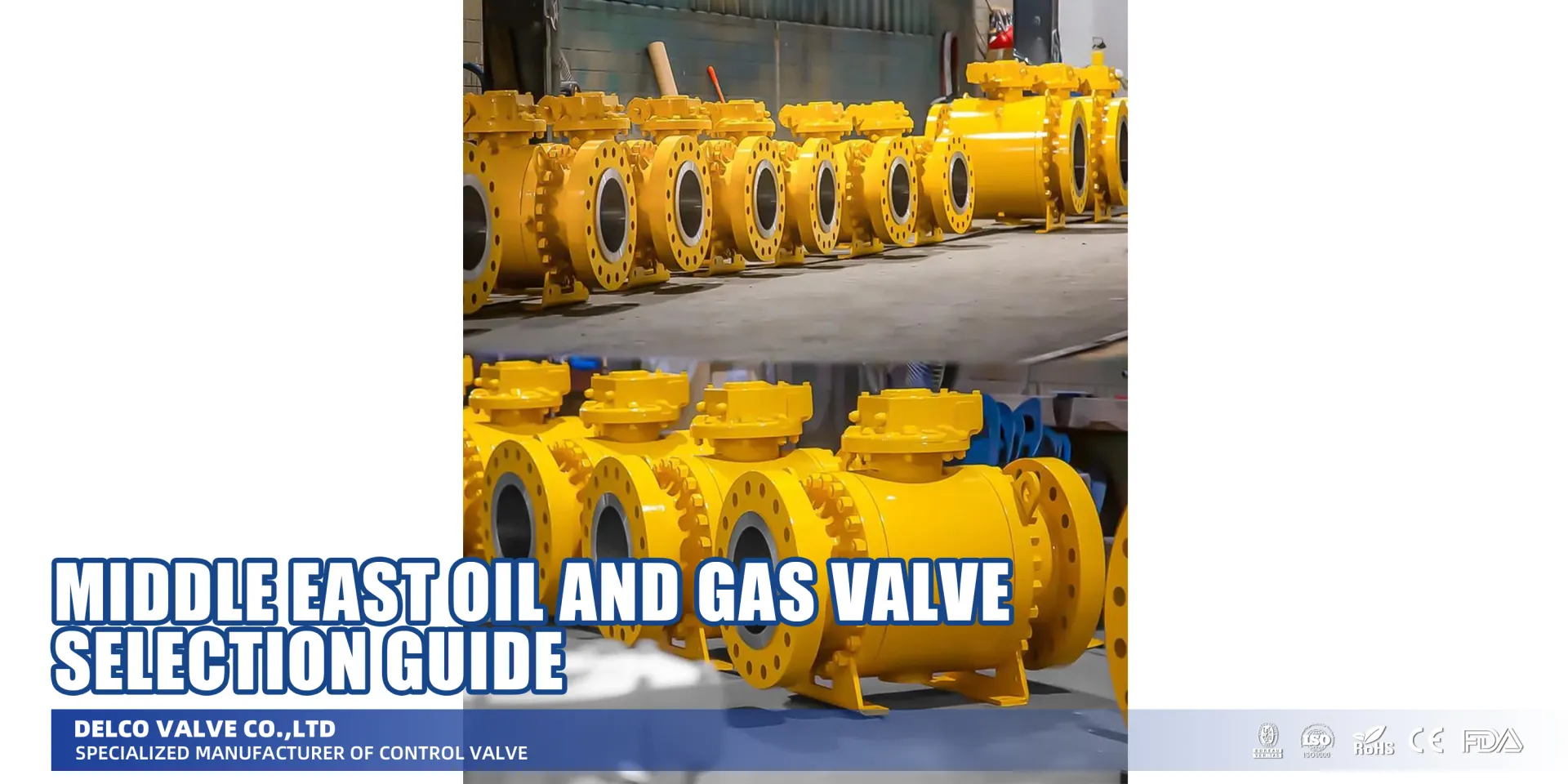
Valves for Middle East Oil and Gas Industry: Selection Guide for Harsh Desert Environments
Jul 25, 2026
Core Material & Compliance Standards for Pharma Valves
When building a high-purity process line, meeting stringent material and compliance standards isn’t optional. The best pharmaceutical ball valves must adhere to strict global regulatory frameworks to guarantee product safety and prevent batch contamination.
ASME-BPE, FDA, and USP Class VI Certification Standards
Every valve component coming into contact with your product must carry the right certifications. We manufacture and supply valves that comply fully with these critical benchmarks:
- ASME-BPE: This standard dictates the exact design, dimensions, and surface finishes required for bioprocessing equipment.
- FDA Compliance: All elastomer seals and seats must use food-grade materials that won’t leach into the process stream.
- USP Class VI: This rigorous biological reactivity test ensures that plastics and elastomers are completely safe for pharmaceutical use.
Material of Construction (MOC), Low-Ferrite Alloys, and Traceability
The base metal of your valve dictates its lifespan and hygiene. Standard industrial stainless steel won’t cut it here. We utilize specialized Materials of Construction (MOC) to prevent common issues like rouging (corrosion).
| Material Property | Pharmaceutical Requirement | Why It Matters |
|---|---|---|
| Stainless Steel Grade | 316L (Low Carbon) | Prevents carbide precipitation during welding |
| Low-Ferrite Content | Controlled to < 1% or 2% (per ASME-BPE) | Minimizes the risk of rouging and pitting corrosion |
| Traceability | Full heat number tracking | Allows any part to be traced back to its original mill batch |
Material Test Reports (MTR) and EN 10204 3.1 Document Compliance
Transparency is crucial for regulatory audits. We back every single valve shipment with complete documentation to prove chemical and physical composition.
- EN 10204 3.1 Certification: This standard provides independent validation that the specific valve delivered matches the exact material composition specified in your order.
- Material Test Reports (MTRs): These documents track the exact chemical analysis (such as chromium, nickel, and molybdenum percentages) of the steel heat lot, giving you complete peace of mind during validation.
Key Features of the Best Pharmaceutical Ball Valves
Superior Hygiene, Crevice-Free Design, and Cavity Fillers
Standard valves leave tiny gaps around the ball where fluid can trap, stagnate, and breed bacteria. The best pharmaceutical ball valves eliminate these dead zones using a crevice-free design. We integrate specialized encapsulated seats—often called cavity fillers—that completely occupy the void between the valve body and the ball.
- Zero Dead Space: Prevents product hold-up and cross-contamination.
- True Clean-In-Place (CIP): Allows cleaning solutions to flush the entire valve interior thoroughly.
- Sanitary Geometry: Smooth flow paths prevent biofilm accumulation.
Surface Finish Requirements: Mechanical Polishing vs. Electropolishing (Ra Values)
In pharmaceutical manufacturing, the smoothness of the product-contact surface is non-negotiable. Rough surfaces trap microscopic particles and resist cleaning. We measure this smoothness using Roughness Average ($R_a$).
| Finishing Method | Average $R_a$ Range | Primary Benefit |
|---|---|---|
| Mechanical Polishing | Down to $0.51,mutext{m}$ ($20,mutext{in}$) | Removes physical surface defects and weld lines. |
| Electropolishing (EP) | Down to $0.38,mutext{m}$ ($15,mutext{in}$) or better | Chemically removes iron, leaves a chrome-rich, mirror-like layer. |
To meet strict ASME-BPE standards, the best pharmaceutical ball valves combine mechanical polishing with electropolishing. This ultra-smooth surface minimizes cell shearing in biotech processes and ensures fast, repeatable sterilization.
High Corrosion Resistance, Process Safety, and Delta-Ferrite Control
Pharmaceutical lines face aggressive environments, from corrosive clean-in-place chemicals to high-temperature pure steam. We craft our sanitary valves from premium 316L stainless steel or exotic alloys to guarantee high corrosion resistance and process safety.
A critical factor we manage during manufacturing is delta-ferrite control. While some ferrite prevents cracking during welding, too much ferrite leads to a dangerous phenomenon called rouging (micro-rusting) in high-purity steam loops.
- Strict Ferrite Limits: We control delta-ferrite content to tight windows (typically 0.5% to 3%) in the final cast or forged product.
- Rouging Prevention: Low-ferrite chemical compositions protect your system against premature degradation.
- Total Traceability: Every valve body undergoes material validation to guarantee long-term structural integrity and compliance.
Main Types of Sanitary Ball Valves Used in Pharma
Choosing the right valve configuration directly impacts your process efficiency and contamination risk. We manufacture and supply high-purity valves tailored to meet these strict piping layouts.
Body Configurations (Two-Way, Three-Way, and Zero-Static Valves)
The physical layout of your piping dictates the valve body style you need.
- Two-Way Ball Valves: The standard choice for simple on-off fluid control in a straight line.
- Three-Way and Multi-Port Valves: Ideal for diverting flow or mixing media between different lines without cross-contamination.
- Zero-Static Valves: The gold standard for critical high-purity water systems (WFI). They eliminate dead legs where bacteria could иначе breed, ensuring complete fluid turnover.
Manual vs. Automated and Actuated Ball Valves
Depending on your plant setup, you will choose between manual control or automated system integration.
| Valve Type | Best Used For | Key Advantage |
|---|---|---|
| Manual Ball Valves | Maintenance lines, utility isolation, and batch setups. | Cost-effective, reliable, and features a lockable handle for safety. |
| Actuated Ball Valves | Continuous processing, recipe management, and remote areas. | Equipped with pneumatic or electric actuators for precise, automated control. |
Sealing Technologies: Encapsulated Seats (Cavity Fillers) vs. Standard Soft Seats
The sealing design determines whether a valve is truly sanitary or a hidden contamination trap.
- Standard Soft Seats: Leave a small gap between the ball and the valve body. While fine for utility lines, in pharmaceutical lines, trapped media can spoil and ruin the next batch.
- Encapsulated Seats (Cavity Fillers): The best pharmaceutical ball valves use these to fully occupy the space around the ball. By eliminating internal voids, there is nowhere for fluid to pool, making the valve completely cleanable during routine flush cycles.
Critical Selection Criteria for Pharmaceutical Applications
Choosing the right valve isn’t just about matching pipe sizes. In bio-pharma, your choice impacts batch purity and system longevity. When selecting the best pharmaceutical ball valves (standards & material compliance), you need to focus on how the valve handles extreme sterilization and systemic stress.
Seat and Seal Compatibility with Process Media and SIP Steam
The seals in a sanitary ball valve take a beating. They must withstand aggressive process media, harsh cleaning chemicals, and Steam-in-Place (SIP) sterilization without degrading or leaching.
- PTFE / TFM: The industry standard for encapsulated seats. They offer excellent chemical resistance and smooth operation.
- EPDM / FKM / Silicone: Commonly used for O-rings and secondary seals, ensuring FDA compliance and USP Class VI certification.
- SIP Survival: Steam sterilization causes standard plastics to soften and deform. Premium valves use modified PTFE (like TFM 1600) to resist cold flow and maintain a tight seal under constant steam exposure.
Pressure and Temperature Ratings (Surviving Thermal Cycling)
Pharmaceutical manufacturing processes fluctuate rapidly between freezing process temperatures and scorching SIP steam lines. This extreme thermal cycling causes materials to expand and contract at different rates, which can lead to leaks if the valve isn’t engineered correctly.
| Parameter | Operational Impact | Solution for Pharma Valves |
|---|---|---|
| Thermal Cycling | Causes seat deformation and body seal leaks. | Live-loaded stem packing that automatically adjusts to temperature shifts. |
| Pressure Spikes | Can cause catastrophic seal blowout. | Anti-blowout stem designs and robust body configurations. |
| High Temperatures | Weakens standard soft seats. | Use of high-density, cavity fillers and reinforced polymer seats. |
End Connections (Tri-Clamp, Extended Weld-Ends) and Flow Patterns
How a valve connects to your piping network dictates its hygienic integrity. The goal is to eliminate dead legs where bacteria can breed.
- Tri-Clamp (Sanitary Clamp): The go-to for quick-disconnect lines. It allows easy removal for inspection or manual cleaning while maintaining a crevice-free joint.
- Extended Weld-Ends: Best for permanent, automated systems. The extended length prevents the heat from orbital welding from damaging the internal cavity fillers and soft seats during installation.
- Flow Patterns: Two-way designs handle standard on-off flow, while three-way and multi-port / zero-static valves optimize diversion and mixing without creating stagnant pockets in the fluid path.
Best Practices for Installation and Maintenance
Installation Guidelines for Bio-Pharma (Ensuring Self-Draining Angles)
Getting the most out of the best pharmaceutical ball valves starts with correct installation. In bio-pharma setups, gravity is your friend for preventing fluid holdup. You must install these valves at specific sloping angles—typically between $1^circ$ and $3^circ$—to guarantee they are completely self-draining.
- Vertical vs. Horizontal: Whenever possible, mount valves in vertical lines to let gravity clear the line naturally.
- Alignment: Ensure the valve center line aligns perfectly with the piping to prevent stress on the tri-clamp connections or weld-ends.
- Flow Direction: Always verify the flow arrow on the valve body matches your process flow before welding or clamping.
Routine Cleaning, CIP/SIP Validation, and Maintenance Tips
To maintain strict standards & material compliance, your cleaning and maintenance routines must be flawless. Pharmaceutical ball valves handle harsh Clean-in-Place (CIP) chemicals and high-temperature Steam-in-Place (SIP) sterilization cycling, requiring regular checkups to prevent batch contamination.
| Maintenance Focus | Action Item | Why It Matters |
|---|---|---|
| CIP Validation | Run full chemical flush cycles with the ball partially open. | Cleans the cavity space behind the seats. |
| SIP Monitoring | Check seals after thermal cycling up to 134°C. | High heat causes elastomer expansion and wear. |
| Seal Replacement | Swap out USP Class VI gaskets and PTFE seats on a strict schedule. | Prevents micro-leaks and bacterial growth. |
| Torque Checks | Inspect body bolts and actuator connections regularly. | Keeps the valve crevice-free under high pressure. |
Pro Tip: Always use original, traceable Material Test Report (MTR) compliant soft parts during service intervals to keep your system fully validated and compliant with global regulatory expectations.
Share on Social:


Contact Us
In This Article
Electric Ball Valve for Seawater Treatment: Saudi Arabia Project Case Study
Aug 26, 2026
Best Valves for Desalination Plants in Saudi Arabia and UAE
Jul 30, 2026
HVAC Valves for District Cooling Systems in Middle East: Selection Guide
Jul 27, 2026
Valves for Middle East Oil and Gas Industry: Selection Guide for Harsh Desert Environments
Jul 25, 2026