



 Home / Special Valve /
Special Valves
DELCO Special Valves encompass a range of high-performance solutions designed for critical applications. From safety relief to pressure regulation and filtration, our specialty flow control devices ensure the safety, efficiency, and longevity of your industrial systems.


-
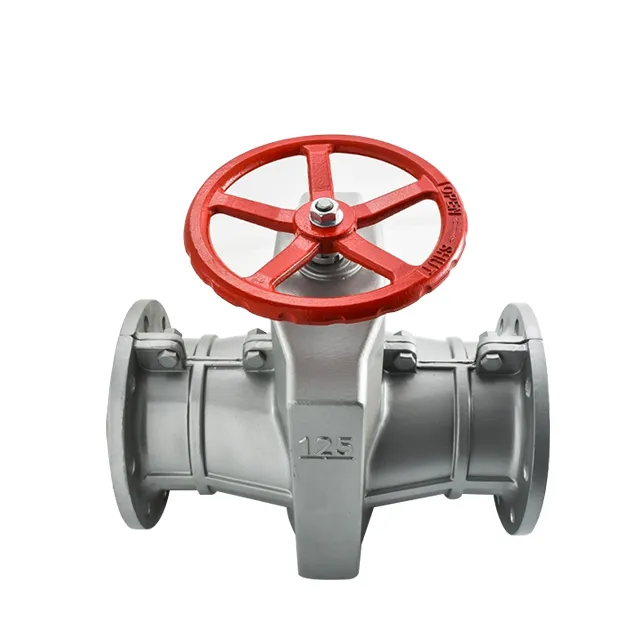
Industrial Pinch Valve - Full Bore Flow Control for Abrasive, Corrosive, and Slurry Media
-
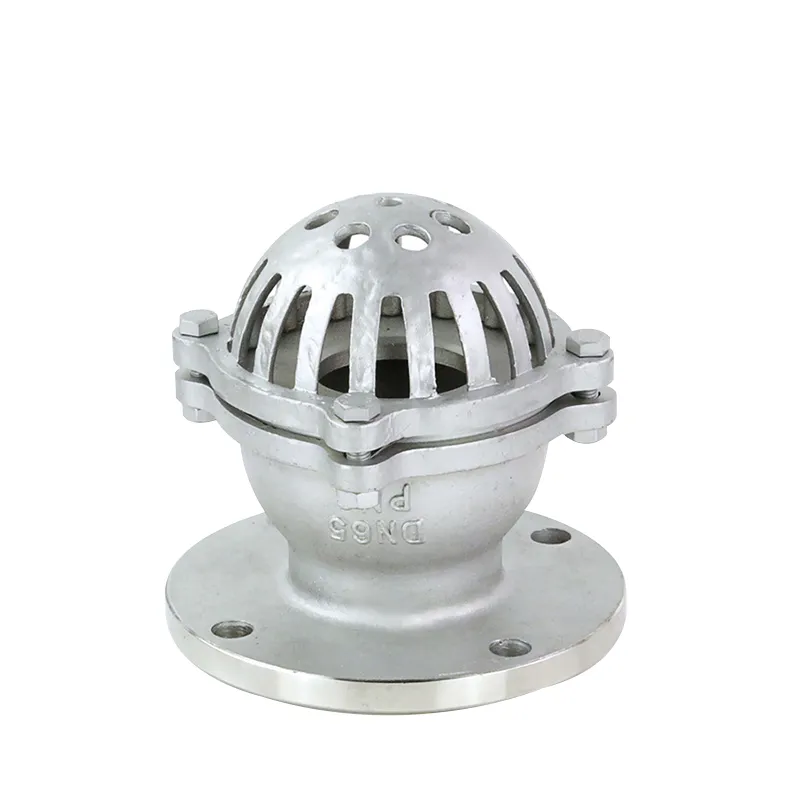
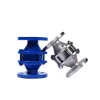
Stainless Steel Flanged Foot Valve with Strainer - Non-Return Bottom Check Valve for Pump Suction
 Size Range: DN15-DN500
Material: WCB, Stainless Steel etc.
Flange Standard: GB / ANSI /DIN /JIS etc.
Size Range: DN15-DN500
Material: WCB, Stainless Steel etc.
Flange Standard: GB / ANSI /DIN /JIS etc.
-
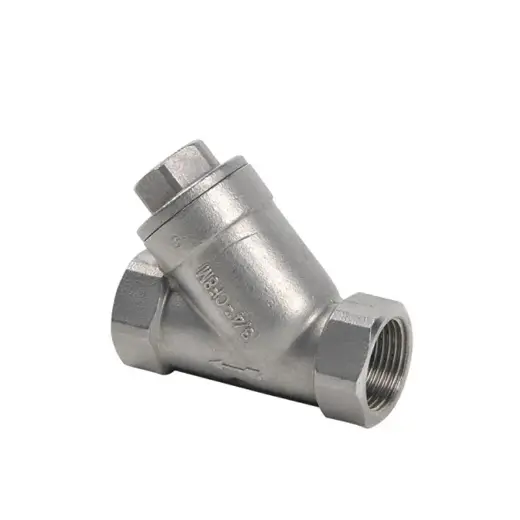
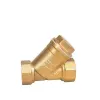
SY11 Y-Strainer for Pipeline Protection and Particle Filtration
Size Range: DN15-DN50
Material: WCB, Stainless Steel etc.
Thread Standard: G/BSP/NPT etc.
What Are Specialty Valves & System Protectors?
Specialty Valves are functional components designed to perform specific tasks beyond simple flow isolation. These valves act as the "guardians" of a piping system—automatically protecting equipment from backflow, overpressure, debris, and even fire hazards.
DELCO provides a high-performance range of specialty valves engineered for system integrity. Whether it is ensuring one-way flow, reducing system pressure, or arresting dangerous flames, our specialty line is built to meet the most rigorous safety and operational standards in the industry.
|
|
|
|
|
|
|
|
|
The essential one-way valve designed to prevent backflow and water hammer. Available in swing, lift, and dual-plate designs to protect pumps and compressors. |
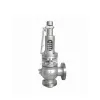
A critical pressure relief device that automatically opens when system pressure exceeds a set limit, preventing catastrophic equipment failure in boilers and tanks. |
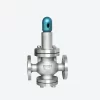
Maintains a constant, lower downstream pressure regardless of upstream fluctuations. Essential for protecting sensitive equipment and optimizing steam or water usage. |
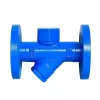
Automatically discharges condensate and non-condensable gases while preventing steam loss. A vital component for improving heat transfer efficiency in thermal systems. |
A mechanical filter that removes solids and debris from the media flow, protecting expensive valves, meters, and pumps from damage and clogging. |
A high-level safety device that stops the propagation of flames in gas pipelines, even during supersonic detonations. Critical for storage tanks and chemical venting lines. |
|
How Do They Work?
Unlike standard valves, most specialty valves are self-actuating or passive devices that react to the conditions within the pipe:
-
Directional & Pressure Control: Components like Check Valves and Pressure Reducing Valves respond to fluid pressure changes to maintain flow direction or stable downstream pressure.
-
Safety & Relief: Safety Valves and Flame Arresters serve as the last line of defense, opening to vent excess pressure or blocking the spread of fire in volatile gas lines.
-
Fluid Management & Filtration: Steam Traps and Y-Strainers continuously work to remove unwanted condensate or solid debris, ensuring that only clean, efficient media moves through your system.
Key Components & Engineering:
-
The Body: Built to withstand constant pressure and environmental stress, available in high-strength alloys and specialized coatings.
-
Internal Sensing Elements: Such as precision springs in Safety Valves or thermostatic elements in Steam Traps that react instantly to process changes.
-
Filtration & Barriers: Including high-grade stainless steel meshes in Strainers and flame-extinguishing elements in Detonation Flame Arresters.
Why Choose DELCO Specialty Valves?
-
Comprehensive Protection: From preventing backflow to stopping explosions, we offer a complete suite of valves to secure your entire infrastructure.
-
Precision Calibration: Our safety and pressure valves are factory-calibrated to your specific set points for "install-and-forget" reliability.
-
Rugged Durability: Engineered for harsh environments, ensuring long service life even in corrosive chemical or high-temperature steam applications.
-
Compliance & Safety: Every DELCO specialty valve is tested against international safety standards (such as API, ASME, and CE) to guarantee performance when it matters most.
Frequently Asked Questions (FAQ)
Q1: How often should Safety Valves be tested?
A: DELCO recommends annual testing and recalibration to ensure the set pressure remains accurate and the valve moves freely.
Q2: What is the difference between a Deflagration and a Detonation Flame Arrester?
A: Deflagration arresters stop low-speed flames, while DELCO Detonation Flame Arresters are engineered to stop high-speed, high-pressure flame fronts (supersonic), providing the highest level of protection for volatile systems.
Q3: Why is my Steam Trap failing?
A: Most failures are due to dirt buildup or improper sizing. Regular maintenance of upstream Y-Strainers can significantly extend the life of your steam traps.
Industry Applications


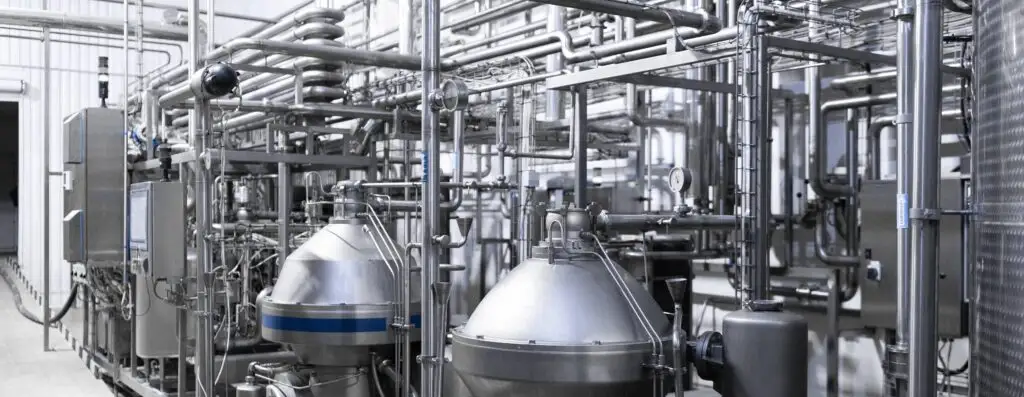
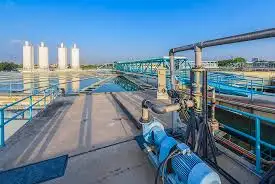
Engineering Selection by Application
Match valve design and actuator type with your industry needs.

| Selection Criteria | Options | Primary Function | Typical Applications |
| Directional Control | Check Valve | Prevents backflow / Water hammer protection | Pump discharge, Compressors |
| Pressure Safety | Safety Valve | Overpressure relief & Explosion prevention | Boilers, Pressure vessels |
| Pressure Regulation | Pressure Reducing Valve | Stabilizes downstream pressure | Steam lines, Water distribution |
| Media Management | Steam Trap | Condensate removal / Energy efficiency | Heat exchangers, Steam tracing |
| System Filtration | Y-Strainer | Removes solids & debris from flow | Meter protection, Pump inlets |
| Flame Protection | Detonation Flame Arrester | Stops flame propagation in gas lines | Fuel tanks, Chemical vent lines |

Get Engineering Support & OEM Solutions
-
 Quick valve sizing recommendations
-
ISO, CE, ATEX certified production
-
Datasheets and 3D drawings available
-
OEM branding & packaging services
-
Material & sealing customization (PTFE, EPDM, metal)
-
Explosion-proof & modulating actuator options