



 Home /
 V-Port Ball Valve vs Globe Control Valve for Flow Modulation
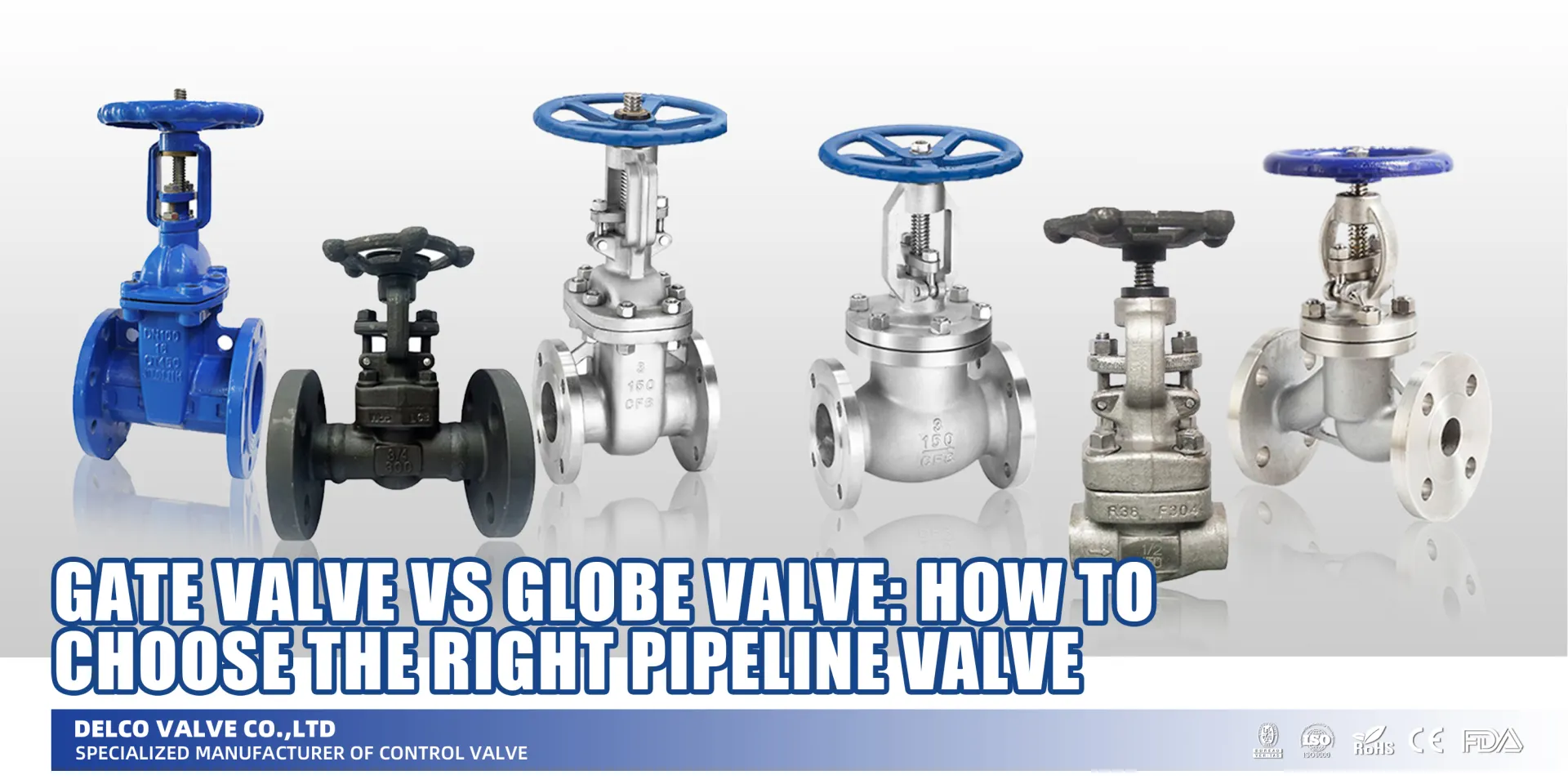
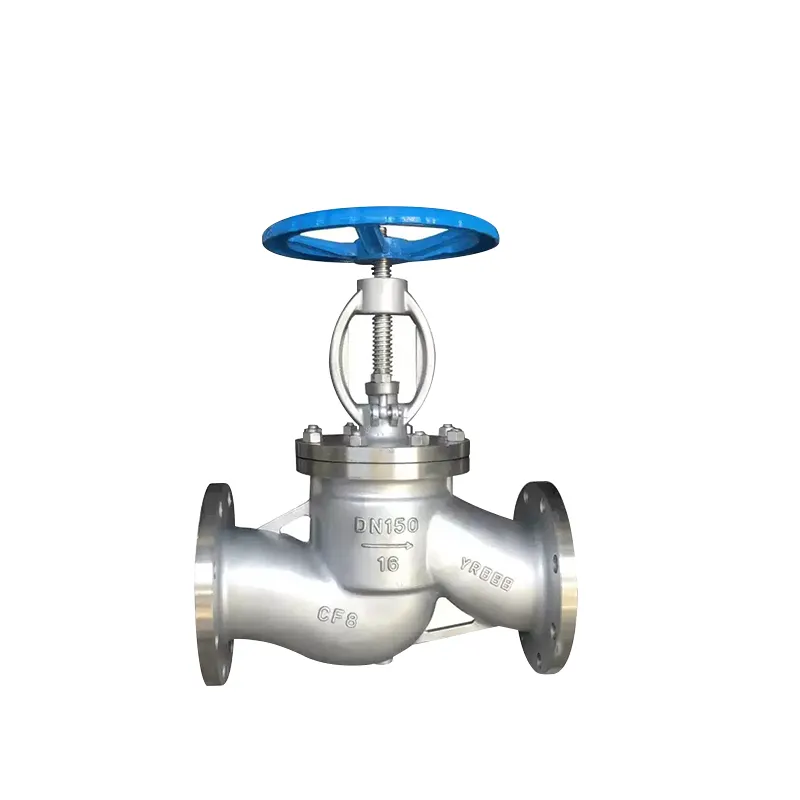
Use a V-port ball valve when your loop needs stable modulating control, tight shutoff, and compact quarter-turn automation in one body, and the pressure drop is moderate. Use a globe control valve when the duty is severe: high differential pressure, cavitation or flashing risk, or precision dosing where control error is expensive. Most "ball valve vs control valve" debates get resolved not by valve preference but by the numbers on the process datasheet.
| If your duty looks like this | Buy | The reason in one line |
|---|---|---|
| Moderate ΔP, water/HVAC/utility modulation, shutoff matters | V-port ball | Class VI shutoff plus control in one valve; smaller actuator |
| High ΔP, cavitation or flashing service, steam let-down | Globe control | Cage trim and high pressure recovery survive what eats a ball valve |
| Fine dosing, tight process tolerance (±1–2%) | Globe control | Equal-percentage trim and stable low-flow control win on precision |
| Skid-mounted, compact, budget-sensitive modulation | V-port ball | Compact body, quarter-turn actuation, lower installed cost |
The Real Question Isn't "Ball or Globe"
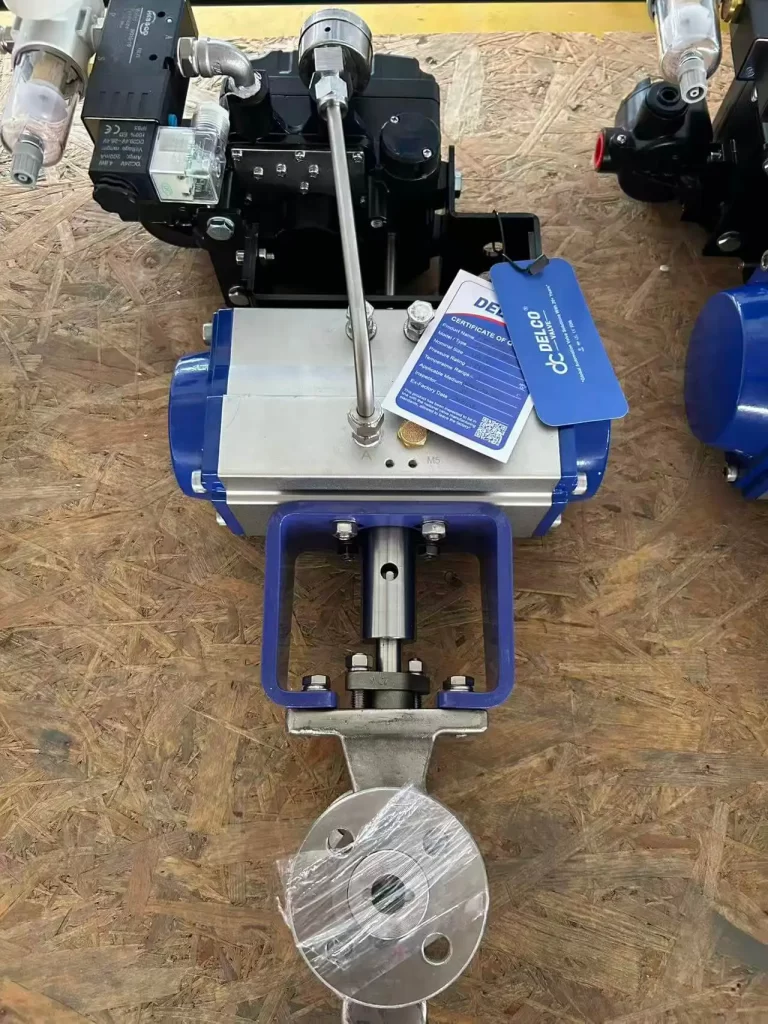
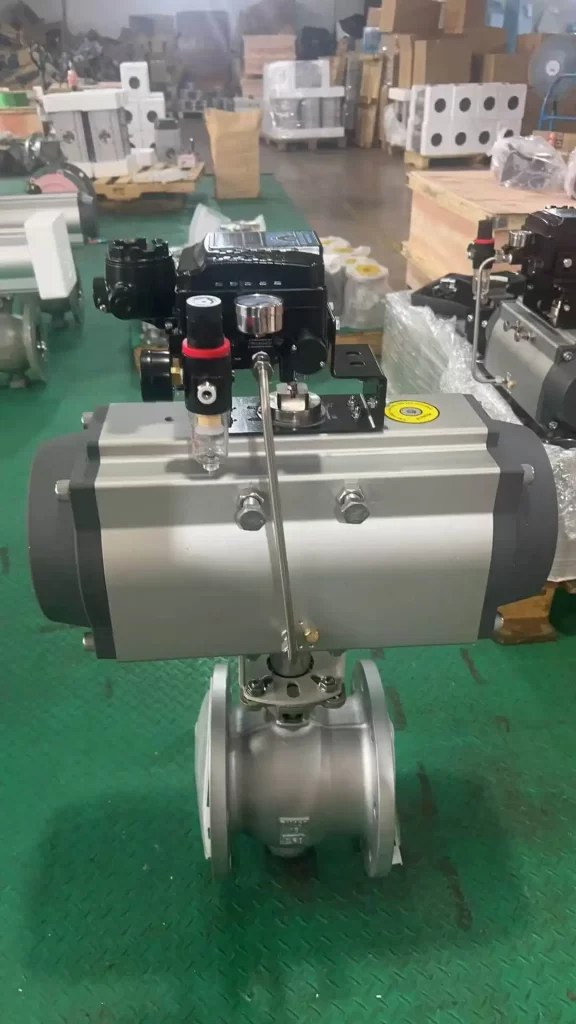
Buyers usually arrive at this comparison with a simpler question in mind: can I use a ball valve as a control valve and save money?
The honest answer is that it depends on one thing most comparison articles never mention: the flow characteristic.
A standard ball valve with a round bore makes a poor control valve for two reasons. The flow area jumps quickly in the first degrees of opening, so the flow curve is steep and lopsided. And the ball stays in contact with the seats at every intermediate position, grinding the seats with each adjustment. A V-port ball valve fixes the first problem: the ball is machined with a V-shaped or wedge-shaped bore, so the opening area grows gradually with rotation. It doesn't fix the second.
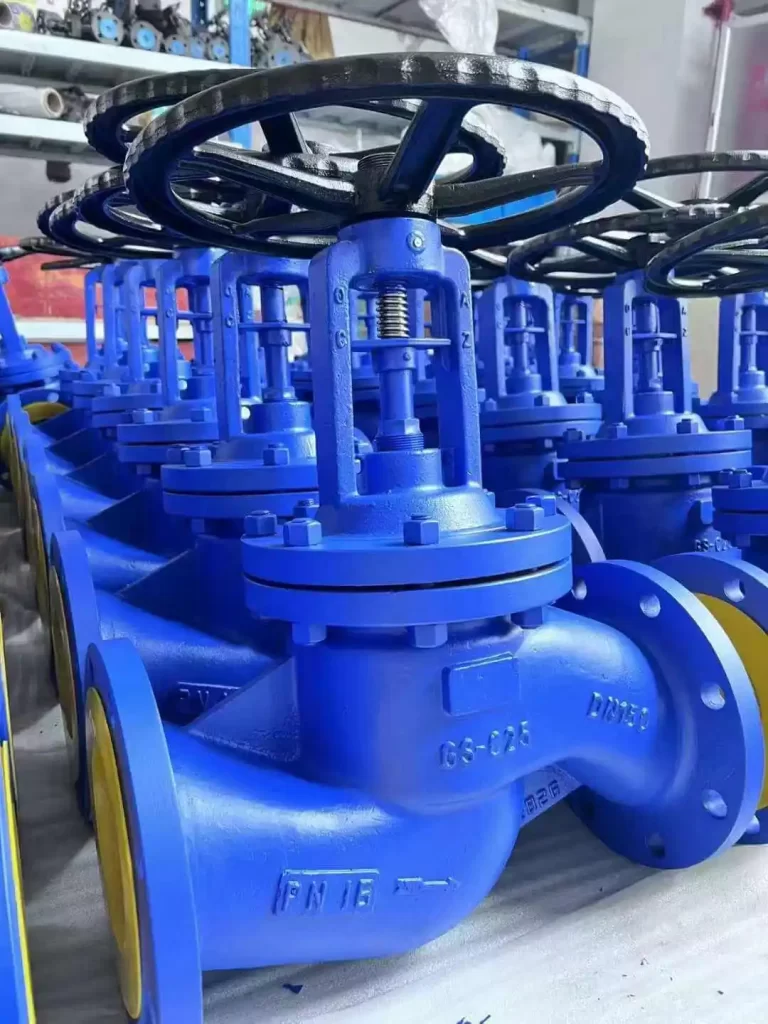
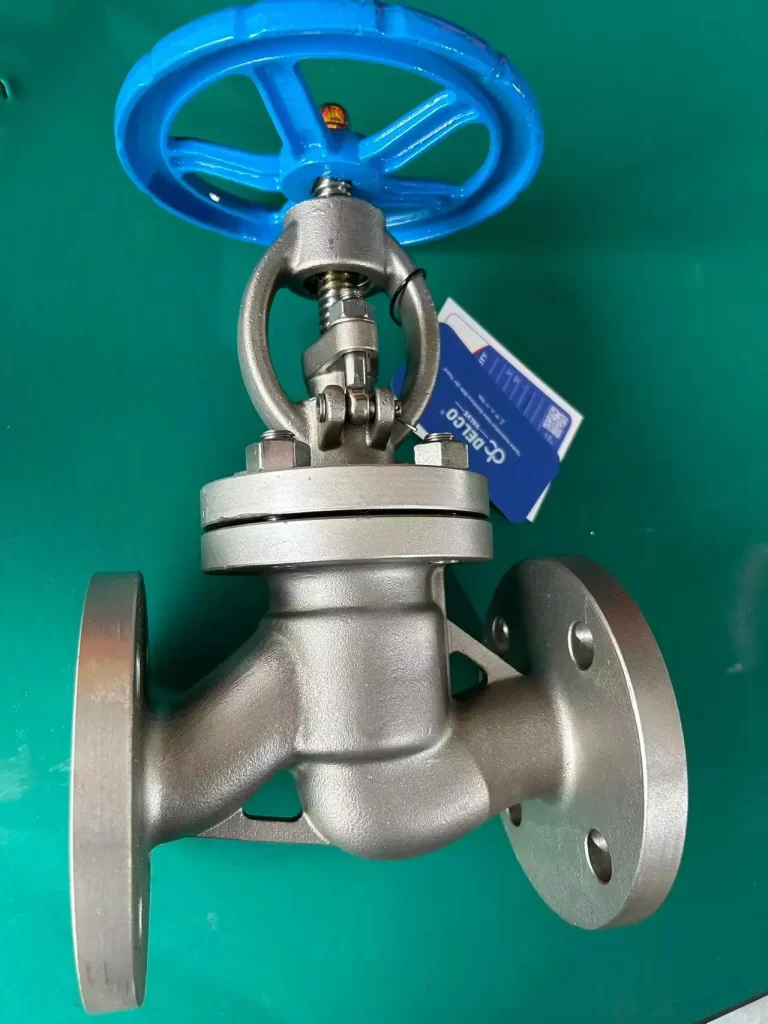
A globe control valve attacks both. The plug moves linearly off the seat, trim contours shape the flow path, and the plug only touches the seat at full closure.
So the choice comes down to which weakness matters less in your loop. That's decided by four things: the characteristic curves, the pressure drop, the cycle count, and whether you need shutoff. Let's take them in order.
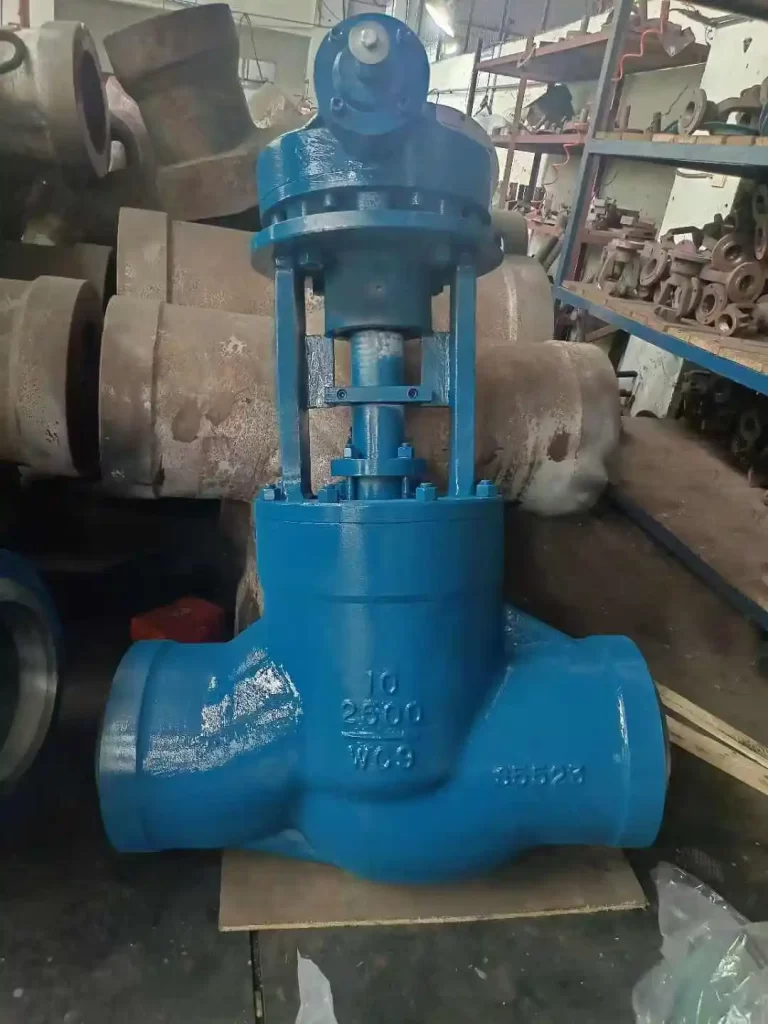
Flow Characteristics: Inherent vs Installed (The Part Guides Skip)
Here is the concept that settles most of these debates, and almost no online article explains it.
Every control valve has an inherent characteristic: how flow relates to travel with constant pressure drop across the valve. Globe control valves are commonly supplied with linear or equal-percentage trims. A V-port ball valve produces something close to a modified equal-percentage curve: shallow and gentle at small openings, steep later.
But your valve never sees constant pressure drop. It sits in a system of pipes, exchangers, and fittings that each consume pressure. The installed characteristic (what the valve actually does in your loop) is the inherent curve distorted by the ratio of valve pressure drop to total system pressure drop. In a mostly-friction system at low valve authority, an equal-percentage trim flattens out into something usefully close to linear installed gain. That's the whole reason equal-percentage trim exists.
Two consequences worth money:
- A well-matched V-port in a high-authority loop (most HVAC balancing and utility water duty) controls smoothly, because the V geometry already compensates for the steepness a round bore would give you.
- A mismatched valve in a low-authority installation becomes on/off in its last quarter of travel no matter what the datasheet promises. No trim fixes that; only resizing or valve authority fixes that.
V-port balls come in a family of V angles, commonly 60°, 30°, and 15°. The shallower the V, the finer the control at small openings and the lower the maximum Cv. Picking the angle against your minimum and normal flow rates, not just line size, is where a V-port application succeeds or fails quietly for years.
Shutoff and the One-Valve-Two-Jobs Economy
This is where a V-port ball valve has a genuinely strong case, and it's partly an economic one.
A V-port ball valve on the floating-ball principle pushes the ball onto the downstream seat under upstream pressure. With soft seats it reaches bubble-tight shutoff, Control Valve Class VI territory. A globe control valve, by design, lets a controlled minimum leakage through at seating; Class IV or Class II are typical depending on construction.
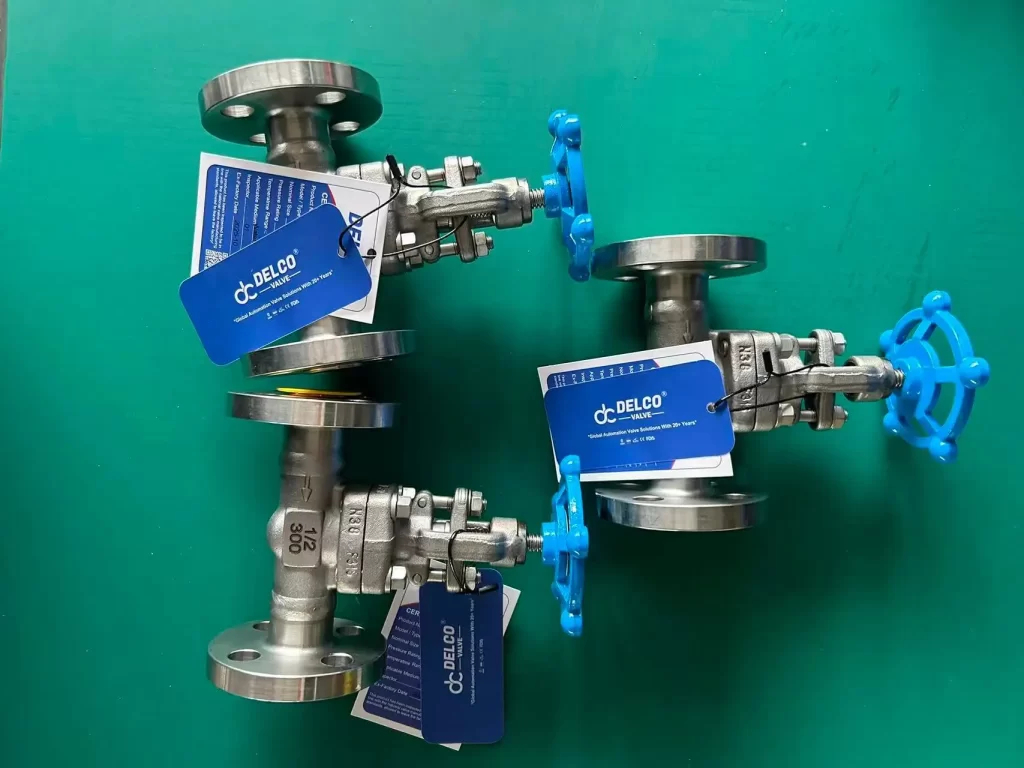
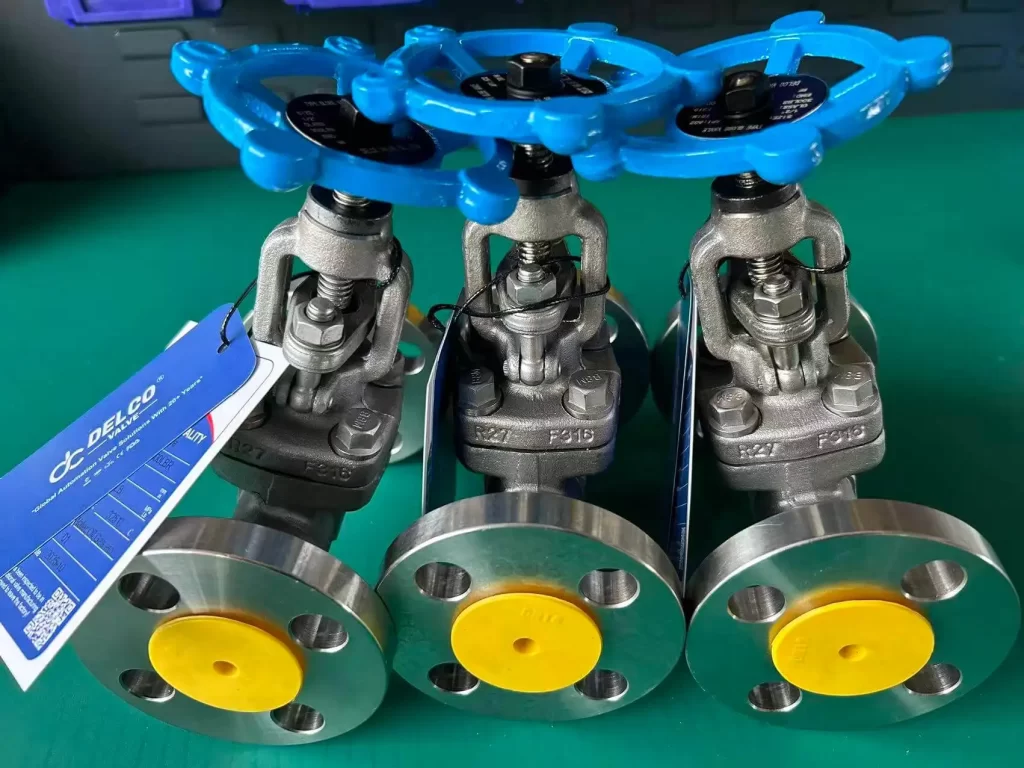
The classical fix is a control valve plus a separate on/off isolation valve in series. Two valves, two sets of flanges, two actuators (or one actuator and one manual operator), twice the piping space. A V-port ball valve does both jobs in one body, which is why skid builders and panel manufacturers like it: compact, lighter, one installation labor item instead of two.
One honest caveat from the field. For maintenance lockout on critical lines, keep an isolation valve anyway, because a control valve of any style is a wearing assembly: seats get replaced, and you shouldn't drain a system to do it. The one-valve economy works best on utility and balancing duty where a shutdown for service is cheap.
Pressure Drop and Cavitation: The Physics That Decides Severe Service
Now the part where the marketing on both sides gets sloppy, so let's be precise.
Cavitation happens when local static pressure at the valve's vena contracta (the narrowest, fastest point of the flow) drops below the liquid's vapor pressure. Vapor bubbles form, then collapse violently downstream, hammering seats and body into honeycomb damage.
The tendency is captured by the pressure recovery factor, FL. Typical published values put a globe valve around 0.9 and a full or characterized ball around 0.55–0.6. Because the allowable drop before cavitation scales with FL squared, that difference is decisive: a globe tolerates roughly double the pressure drop of a comparable ball valve before cavitation begins. (Rules of thumb for orientation; always run the numbers for your actual pressures.)
This is why severe-service work (steam let-down, high-pressure boiler feed recirculation, liquid level control under big ΔP) belongs to globe control valves. Cage trim and multi-stage pressure reduction exist precisely to stage the pressure drop in steps that never dip below vapor pressure. Some rotary alternatives exist for severe duty, but the mainstream, well-documented engineering answer is a globe body with cavitation trim.
What about the claims you'll read that V-balls resist cavitation better? They're usually referring to the ball valve's higher pressure recovery being gentler in non-cavitating service, a different question. If your ΔP is anywhere near the vapor-pressure boundary, size the selection with cavitation checked explicitly, or ask an engineer to run it. We do this check on every modulating inquiry that comes with its full pressure data; if the numbers are marginal, the answer is a globe, not a braver seat material.
Flashing (outlet pressure below vapor pressure everywhere downstream) is worse: no trim saves you, only material hardening and geometry. Globe trim with hardened alloy is the standard answer there too.
Rangeability: Read the Datasheet With Your Own Eyes
Manufacturers quote rangeability (max Cv to min controllable Cv) of 50:1 for globe trims and up to 100:1 or beyond for V-balls. Take both with salt.
In practice, a well-tuned modulating loop rarely uses more than about 15–20% of any valve's quoted range. Below roughly 10% travel, real valves behave badly: seat contact, stiction, positioner deadband, and ball-valve torque spikes near closure make the last few percent of travel unreliable. The honest comparison is not 50:1 versus 100:1; it's "both are ample if you sized the valve correctly and neither is if you didn't."
The practical takeaway: if your minimum controllable flow needs less than ~10% of the valve's maximum Cv, the fix is a smaller valve body or a shallower V, not a better brand.
Actuation Economics: Quarter-Turn Torque vs Linear Thrust
A globe valve seats against the process pressure drop, which can demand serious linear thrust and a correspondingly large electric actuator or cylinder. A quarter-turn V-ball needs rotational torque only, which is why a DN100 V-ball package can run on an actuator that would embarrass a globe half its size. On modulating duty, both styles need a positioner and a proportional signal. The 4-20 mA electric actuator guide covers the hardware.
Two field notes if you go electric on a V-port:
- Torque rises steeply in the last degrees of travel as the V edge cuts into the seat. Size the actuator on break torque at full ΔP with a margin, per the valve actuator sizing guide, or the loop will stall exactly when it matters.
- High-cycle modulating duty is real work for a gearbox. Buy the duty-rated actuator, not the price-optimized one, on anything cycling more than a few times an hour.
Wear in Mid-Travel: The Honest Cost of the Ball
The one structural advantage globe valves keep: the plug only contacts the seat at closure. A V-port ball drags across its seats through every intermediate position, thousands of cycles a season on a busy loop.
Soft seats erode. Metal seats resist abrasive media but raise torque and leakage class trade-offs covered in our soft-seated vs metal-seated guide. The failure is rarely catastrophic: it's slow degradation of the low-end characteristic, which shows up as your loop hunting more at small openings. If your loop modulates constantly and tightly, that maintenance rhythm belongs in your TCO comparison, not just the purchase price.
Mitigation is mostly operational. Don't let the loop idle near 5% open. Take the shallower V angle. And when the application genuinely cycles thousands of times daily against a real pressure drop, a globe wins the lifecycle math even at a higher sticker.
The Verdict Matrix
| Application | Take the | Why |
|---|---|---|
| HVAC chilled/hot water balancing | V-port ball | Moderate ΔP, compact, Class VI shutoff, quarter-turn automation |
| Skid and panel flow control | V-port ball | Space and installed-cost economics |
| Water treatment dosing (moderate ΔP) | V-port ball | Good turndown, easy automation, shutoff included |
| Steam pressure reduction | Globe control | Cavitation/flash territory; cage trim territory |
| Boiler feedwater, high ΔP level control | Globe control | Recovery factor and trim options decide it |
| Chemical dosing at tight tolerance | Globe control | Precision at the low end, stable mini-flow |
| General utility modulation on a budget | V-port ball | The economy case: one valve, two jobs |
FAQ
Can a ball valve be used as a control valve?
A standard round-bore ball valve: no, not for real modulation; the flow curve and seat wear make it unsuitable. A characterized V-port ball valve: yes, in moderate pressure-drop loops, with a positioner and correct V-angle selection. It is not a universal replacement for a globe control valve, and any source telling you otherwise is selling something.
Is a V-port ball valve more precise than a globe control valve?
No. Globe trim holds the precision advantage, especially at low flows and under high pressure drop. The V-port's case is "precision sufficient for the loop, plus shutoff, plus compact economics" — not superior accuracy.
Which one gives tighter shutoff?
The V-port ball valve, typically Class VI with soft seats. Globe control valves normally seat to Class IV or lower, which is why isolation valves accompany them in shutoff-critical lines.
What data should I send my valve supplier for a modulating application?
Medium and temperature; minimum, normal, and maximum flow; inlet and outlet pressures; pipe size; required characteristic; control signal (on-off, 4-20 mA, 0-10 V); and cycle frequency. With those numbers the V-versus-globe question answers itself. And our engineers run exactly that check, including cavitation, on every sizing request.
Not sure whether a V-port ball valve or a globe control valve fits your loop? Send us your process datasheet (medium, temperatures, flows, and pressures). DELCO's application engineers will run a full sizing and cavitation check to recommend the optimal valve for your duty.
Related reading:
Share on Social:


